Dance and Dance Sport: A Positive, Active and Enjoyable Choice for Children
London, UK | 16 June 2026
At a time when many families are seeking healthy, purposeful, and enjoyable alternatives to excessive screen use, dance and dance sport offer children a positive way to move, learn, socialise and grow in confidence.
Across the United Kingdom, thousands of dance schools, studios, clubs, and community organisations provide opportunities for children to participate in a wide variety of styles, including ballroom, Latin, ballet, tap, street dance, hip-hop, contemporary, sequence and freestyle. The style diversity enables children to find a form of dance that suits their personality, interests, confidence level, and ability.
More than simply an enjoyable extracurricular activity, dance provides a practical way for children and young people to increase their physical activity, develop discipline, build friendships, and experience the satisfaction of continuous improvement. For parents seeking an activity that is structured, sociable, and rewarding, dance is an accessible and highly beneficial choice.
A Healthier Balance in a Screen-Filled World
Technology is now an integral part of everyday childhood, but many families are increasingly aware of the importance of maintaining a healthy balance. The Chief Medical Officer for England has previously advised that screen use should not displace essential activities such as sleep, physical activity, and face-to-face family interaction.
Dance offers a constructive and uplifting alternative. It provides children with a regular opportunity to step away from screens, engage and have fun with others, enjoy music, keep fit, learn new skills (dance and beyond) and experience the satisfaction that comes from achievement through practice.
UK physical activity guidelines recommend that children and young people aged 5–18 accumulate an average of at least 60 minutes of moderate-to-vigorous physical activity each day across the week. Dance can make a significant contribution towards this target, particularly when children attend regular classes, rehearse routines, participate in social dancing or progress into dance sport training and competition.
Movement, Fitness and Physical Confidence
Dance helps children develop movement skills in a way that is both creative and enjoyable. Depending on the style and intensity of participation, dance can support cardiovascular fitness, co-ordination, balance, flexibility, posture, strength, and stamina.
For younger children, dance can enhance rhythm, spatial awareness, and fundamental motor skills. For older children and teenagers, it can provide a structured and expressive form of physical activity that remains appealing, particularly for those who may not feel drawn to traditional team sports.
Dance is also highly adaptable. Some children enjoy the grace and discipline of ballet, while others are inspired by the energy of street dance or hip-hop. Many are attracted to the partnership, precision and musicality of ballroom and Latin dance. dance sport, in particular, offers a clear pathway for those who enjoy goals, performance, technique and competition.
Confidence, Concentration and Character
Dance teaches far more than movement. It encourages children to listen attentively, remember sequences, follow instruction, practise consistently and perform with composure. These experiences can help develop focus, self-discipline, resilience, and self-confidence.
Learning a new routine requires patience. Performing in front of an audience requires courage. Improving over time teaches children that progress is achieved through effort and commitment. These lessons can have lasting benefits in education, family life and personal development.
Dance also provides a safe and creative outlet for self-expression. It allows children to communicate through movement, connect with music and experience pride in their achievements. For many young people, this becomes a powerful source of confidence and self-belief.
Friendship, Teamwork and Belonging
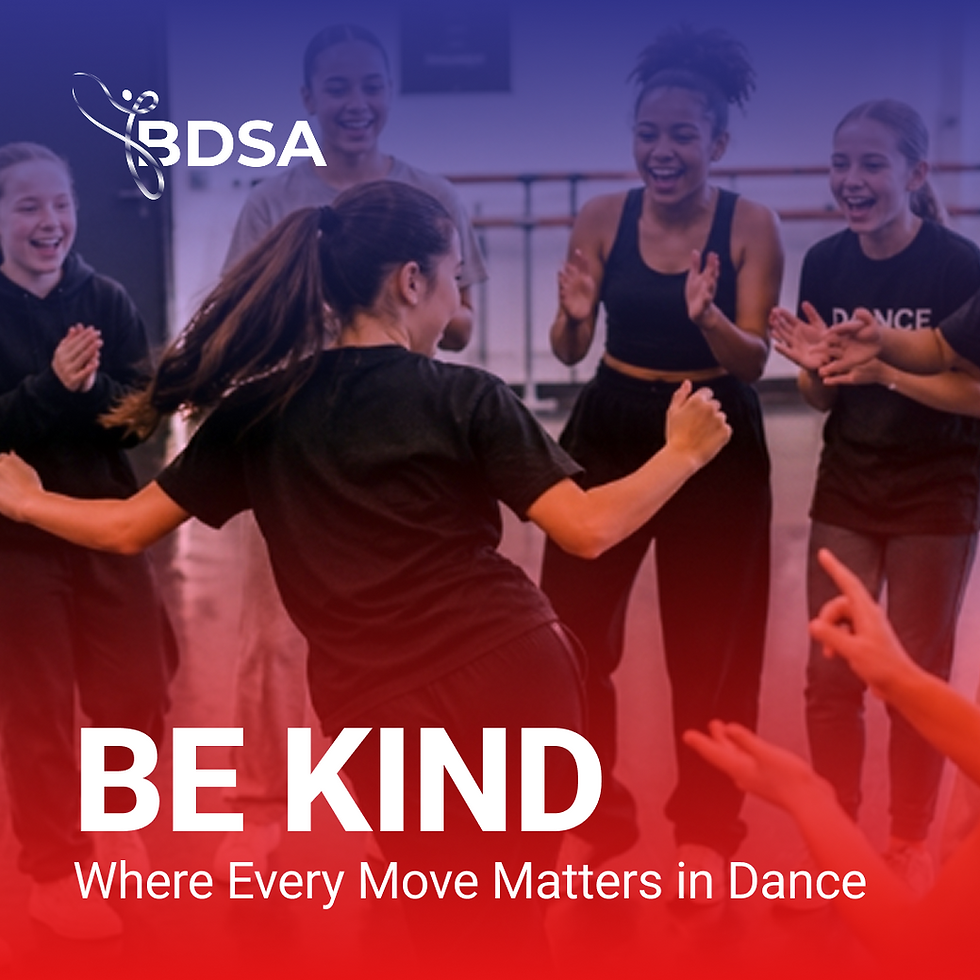
One of dance's greatest strengths is its social nature. Children learn alongside others, practise together and often perform as part of a group, class, partnership or team. These experiences help develop communication, co-operation, respect and mutual support.
In ballroom, Latin and other dance sport styles, children also learn partnership skills, etiquette, timing and trust. Through group choreography, they develop teamwork, awareness of others and a sense of shared responsibility. These valuable social skills can help children feel connected, included and valued.
At a time when loneliness, anxiety and digital isolation are concerns for many families, dance provides a real-world community built around music, movement, and shared achievement.
Dance Sport: Artistry, Athleticism and Opportunity
Dance sport combines the artistry of dance with the discipline, structure and sporting values of training and competition. It is particularly appealing to young people who enjoy clear goals, progression, performance, and personal challenge.
Through dance sport, children can develop perseverance, sportsmanship, preparation, respect for rules and pride in representing their school, club, community or country. It also offers an inclusive pathway into physical activity for young people who may not be attracted to more conventional sports.
The British DanceSport Association supports the development of dance sport throughout the United Kingdom and promotes fair, inclusive and well-structured opportunities for dancers of all ages, abilities and levels of experience.
A Practical Choice for Parents
For parents considering a new extracurricular activity, dance is easy to explore. Many local providers offer beginner classes, trial sessions, school partnerships, after-school clubs and community programmes. Children can often start with a single weekly class and increase their involvement as their confidence and interest grow.
Parents may wish to consider:
Choosing a reputable provider with appropriate safeguarding arrangements
Asking about teaching methods, class structure, and age suitability
Allowing children to explore more than one style before choosing a preference
Encouraging practice without placing unnecessary pressure on performance
Supporting a healthy balance between schoolwork, rest, family time, physical activity, and screen use.
Above all, dance should be enjoyable. The best outcomes are often achieved when children feel encouraged, included, and proud of their own progress.
A Positive Step for the Next Generation
Dance and dance sport offer children far more than an after-school pastime. They provide movement, music, friendship, discipline, creativity, and joy. They help young people become more active, more confident, and more connected to the world around them.
Parents, schools, and community leaders are encouraged to recognise dance as a valuable part of a child's weekly routine. Whether a child wishes to dance for fun, fitness, friendship, performance or competition, there is a style and setting to suit them.
Now is an excellent time to help children step onto the dance floor, away from passive screen use and towards active, confident participation in the real world.
For further information, please contact:
The British DanceSport Association
Email: info@BDSAssociation.com
Website: www.BDSAssociation.com


Comments